

If you’ve spent any time on Reddit, particularly in certain communities, you might notice a trend: being autistic has become almost a badge of honor. Memes and jokes about “being on the spectrum” are everywhere. While some use the term lightly, for many, autism isn’t just a quirky personality trait or a Reddit in-joke; it’s a real neurological condition that impacts how people experience and interact with the world. But how do you know if you’re truly autistic, and what does it even mean to be “on the spectrum”? In this blog, we’ll dive into the realities of autism, explore how you can tell if you might be autistic, and explain where you might fall on the autism scale.
Autism Isn’t a Meme
In the last few years, individuals on the internet, and specifically Reddit, have popularized discussions about autism. People casually drop comments about their autism, or identify traits of other posters they deem autistic. Not unlike how there are upsides and downsides to Dissociative Identity Disorder trending on Tik Tok, there are both positives and negatives to this increased awareness. While this attention has allowed for some normalization of autism, it’s important to remember that it’s not just a meme. Autism Spectrum Disorder (ASD) is a neurodevelopmental condition that affects how people communicate, behave, and process sensory information.
The jokes and casual references often miss the mark on what living with autism is actually like. Autism isn’t just about being quirky or socially awkward; it can come with real challenges that affect daily life. But this lighthearted internet culture can also have a positive side—it’s allowed more people to feel comfortable exploring whether they might be autistic, leading to self-discovery and ultimately, getting the support they need.
What Is Autism Spectrum Disorder (ASD)?
Autism Spectrum Disorder (ASD) is a developmental disorder that affects how people think, interact, and perceive the world. While it used to be thought of as a rare condition, recent studies show that about 1 in 36 children are diagnosed with autism, and many adults are only just discovering that they’ve been living with it their whole lives.
Autism exists on a spectrum, meaning that there’s a wide range of experiences and abilities within the condition. Some people with autism might be nonverbal, while others are highly articulate but struggle with social interactions. Some may be hypersensitive to sounds and lights, while others are less aware of their surroundings. No two autistic people are alike, which is why the term “spectrum” is so fitting.
According to the Diagnostic and Statistical Manual of Mental Disorders (DSM-5), the official guidelines used by mental health professionals, autism is characterized largely by:
- Persistent difficulties in social communication and social interaction across multiple contexts
- Restricted, repetitive patterns of behavior, interests, or activities
In recent years, researchers have made great strides in understanding ASD. There’s increasing evidence that autism has a strong genetic component, though environmental factors may also play a role. Brain differences, including how different parts of the brain communicate with each other, are also linked to autism. Despite these advances, there is still a lot we don’t know about autism, which is why getting a professional evaluation is crucial.
How To Tell If You’re Autistic
If you’re wondering, “Am I autistic?” you’re not alone. Many adults, particularly those who have always felt “different,” are starting to explore whether they might be on the autism spectrum. While only a professional can give you a diagnosis, there are some common signs of autism that can help you understand whether you should seek further evaluation.
Here are some signs of autism in adults:
- Difficulty with social interactions: You may struggle to maintain eye contact, find it hard to understand social cues like body language or tone of voice, or avoid social situations altogether.
- Preference for routines: Autistic people often prefer predictable routines and can become anxious or upset when these routines are disrupted.
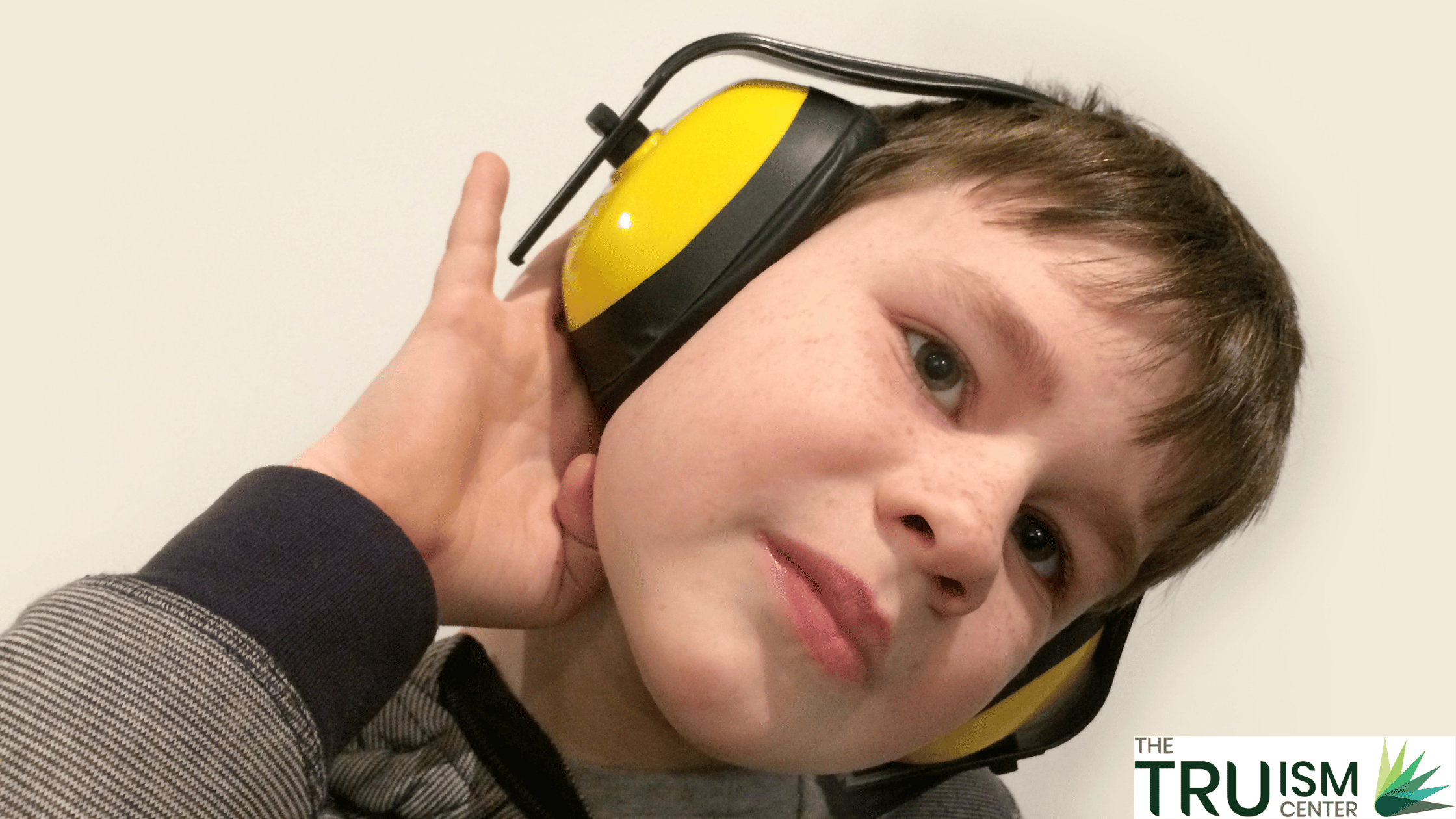
- Sensory sensitivities: Many people with autism are hypersensitive to lights, sounds, textures, or smells. For example, you might be easily overwhelmed by loud noises or find certain fabrics unbearable to wear.
- Special interests: You may have deep, focused interests in specific subjects and want to spend most of your time learning about them or engaging in activities related to those interests.
- Struggle with change: Transitions or unexpected changes can be especially difficult for autistic individuals. You may find yourself clinging to structure or experiencing intense anxiety when things don’t go as planned.
- Communication challenges: Autistic adults may have difficulty understanding idioms, sarcasm, or non-literal language. Conversations that feel unstructured or vague might be confusing or frustrating.
- Difficulty regulating emotions: Some people with autism experience heightened emotions, leading to what are sometimes referred to as “meltdowns.” These are intense emotional reactions that can be difficult to control.
If you recognize these traits in yourself, it might be worth pursuing an autism evaluation. Self-diagnosing can be tricky because autism overlaps with other conditions like ADHD, anxiety, or even introversion, so getting a professional opinion is key.
The Autism Scale: Understanding the Three Levels of Autism
Autism is diagnosed based on a person’s level of functioning, which is categorized into three levels according to the DSM-5. There may be a wide variation of symptoms within each of these levels. These levels are based on how much support a person with autism needs to navigate daily life:
- Level 1: Requiring Support
Individuals at this level might need some help but are generally able to function independently. Social challenges are often the most prominent feature, with difficulty in initiating and maintaining conversations or making friends. Rigid behavior patterns and difficulties with flexibility can also be noticeable but manageable.
People in this category are sometimes referred to as having “high-functioning autism” or what was previously known as Asperger Syndrome. However, these terms are outdated, as the DSM-5 no longer recognizes Asperger’s as a separate diagnosis from autism.
- Level 2: Requiring Substantial Support
Those at Level 2 need more noticeable support in both social situations and daily routines. Communication difficulties are more pronounced, and individuals might struggle with understanding social norms or making eye contact. Repetitive behaviors and inflexibility can significantly interfere with daily life, and help is needed to complete certain tasks or manage sensory sensitivities.
- Level 3: Requiring Very Substantial Support
People at Level 3 have severe communication challenges and often find it extremely difficult to engage in social interactions. They might be nonverbal or use alternative methods of communication such as a PEC board. Rigid behaviors, including repetitive actions or intense focus on specific interests, can dominate their time. Sensory issues can also be extreme, with hypersensitivity to lights, sounds, or textures severely impacting their ability to function in everyday environments.

Getting a Diagnosis and Finding Support
While self-reflection is important, only a professional can provide an official diagnosis of Autism Spectrum Disorder. An autism diagnosis involves a comprehensive evaluation, including interviews, questionnaires, and possibly psychological testing. If you’ve been searching “autism evaluation near me” or “autism diagnosis,” you’re already taking a crucial step toward understanding yourself better.
Working with a trained professional can help you navigate the process of diagnosis and support, whether you fall on the mild end of the autism spectrum or require more substantial support. Even those with Level 1 autism can benefit greatly from autism therapy or counseling. Support might involve social skills training, sensory regulation strategies, or therapy focused on managing anxiety and emotions.
At the end of the day, autism is not a one-size-fits-all condition. Whether you’ve lived with autism your whole life without realizing it or you’re newly exploring the possibility, you deserve the resources and support to live your best life. With the help of compassionate professionals, you can better understand yourself, manage your symptoms, and thrive in a world that sometimes feels overwhelming.
Final Thoughts
Autism Spectrum Disorder is a complex and diverse condition that affects each person differently. If you’ve found yourself identifying with signs of autism, or you’ve been wondering “Am I autistic?”, it’s worth seeking out an evaluation. Remember, autism isn’t just a quirky personality trait or something to joke about—it’s a real condition that can impact your life in profound ways.
By understanding where you fall on the autism scale and working with a trained professional, you can get the support you need to navigate your unique challenges and celebrate your strengths. Whether you need help with social interactions, managing anxiety, or finding routines that work for you, you don’t have to do it alone.
Robb Kornoelje is a practicing CBT Counselor, Relationship Counselor, owner of the Truism Center, and creator of the “30-Day Relationship Challenge.” This 30-day email course offers guidance to identify behaviors causing trouble, find ease with emotions, and enhance self-awareness. With a focus on stress-free communication, the challenge encourages a stronger connection with others, nurturing compassion, and fostering forgiveness. Join Robb on this journey to improve the fabric of your relationships—one day at a time.


