

Welcoming a baby into the world is often described as a magical experience. For many new mothers, though, the reality is much more complex. Alongside the joy, there can be emotional upheaval, exhaustion, and profound vulnerability. After childbirth, many women experience a range of emotions that fluctuate from joy to sadness, from anxiety to hope. This emotional rollercoaster is normal to some degree, but how do you know if what you’re feeling is just the “baby blues” or something more serious like postpartum depression?
Understanding the difference between normal postpartum emotions and more severe conditions is critical, as early recognition can lead to better treatment and recovery. Let’s dive into the signs of postpartum depression, the distinctions between baby blues and more severe conditions, when to seek help, and what postpartum care and therapy can provide to support your mental health during this time.
The “Baby Blues” vs. Postpartum Depression
It’s estimated that up to 80% of women experience what is often called the “baby blues” in the days or weeks following childbirth. The baby blues generally present as mild symptoms such as:
- Mood swings
- Crying spells
- Irritability
- Anxiety
- Overwhelm
- Difficulty sleeping
These symptoms usually peak around day three to five postpartum and generally subside within two weeks. The baby blues are often attributed to hormonal shifts after childbirth, combined with sleep deprivation and the physical recovery from delivery. While the baby blues can feel overwhelming, they tend to resolve on their own as your body and mind adjust to the changes of motherhood.
However, if your symptoms linger beyond two weeks, become more intense, or interfere with your ability to care for yourself and your baby, you may be experiencing something more serious: postpartum depression (PPD) or a related postpartum mood disorder.
What is Postpartum Depression?
Postpartum depression affects about 1 in 7 women and is more severe and long-lasting than the baby blues. While the exact cause of PPD isn’t fully understood, it’s believed to be a mix of hormonal changes, psychological adjustments to parenthood, and other factors, such as a history of depression, trauma, or anxiety. PPD can develop anytime in the first year after giving birth, though it most commonly arises within the first few weeks.
The signs of postpartum depression often mirror those of general depression but are compounded by the emotional and physical demands of caring for a newborn. Common symptoms of PPD include:
- Persistent sadness or depression
- Feeling disconnected from your baby (e.g., not feeling “bonded”)
- Extreme fatigue or low energy
- Feelings of worthlessness or guilt (particularly related to parenting)
- Difficulty concentrating
- Lack of interest in activities you once enjoyed
- Changes in appetite or sleep patterns (sleeping too much or too little)
- Withdrawal from loved ones
- Intrusive, scary thoughts (e.g., thoughts of harming yourself or your baby)
It’s important to recognize that postpartum depression can vary in severity, ranging from mild to severe. Some women may experience relatively mild symptoms that improve with lifestyle adjustments and social support. Others may develop a more severe form of depression, known as postpartum psychosis, which includes hallucinations, paranoia, or obsessive thoughts about harm. This is a rare but extremely serious condition that requires immediate medical intervention.

Postpartum Mood Disorder: A Broader Spectrum
Postpartum depression is just one type of postpartum mood disorder. The term postpartum mood disorder encompasses a range of emotional and psychological issues new mothers can face after childbirth. These include:
- Postpartum anxiety: Characterized by intense worry, panic attacks, or obsessive fears about the baby’s health and safety.
- Postpartum OCD: Marked by intrusive thoughts and compulsive behaviors, often centered around keeping the baby safe.
- Postpartum psychosis: As mentioned earlier, this is a rare and severe condition that includes delusions, hallucinations, and irrational behavior, often requiring immediate intervention.
The signs of postpartum depression and mood disorders can feel isolating and confusing. Many new mothers feel guilty about their emotions, thinking they should be happy or “grateful” after the birth of their child. This guilt can lead to delays in seeking help, but it’s crucial to remember that postpartum depression is a medical condition—one that deserves treatment and support, just like any other health issue.
When Should You Seek Help?
So how do you know when to seek professional help? The general rule of thumb is that if your symptoms persist beyond two weeks, worsen over time, or significantly affect your ability to function, it’s time to talk to a healthcare provider. The Truism Center employs licensed therapists with expertise in both Perinatal and Postpartum issues in Grand Rapids, Grandville, Troy, Birmingham, and Commerce Township, with the option for online video counseling to fit into your busy schedule as a new mom.
Postpartum depression does not usually go away on its own, and untreated symptoms can last for months or even years, affecting not only the mother’s well-being but also her relationship with her baby and partner.
Here are some signs that it’s time to reach out for help:
- You feel disconnected from your baby and struggle to bond.
- Your sadness feels overwhelming and doesn’t lift after a couple of weeks.
- You have difficulty getting out of bed or performing daily tasks.
- You’re struggling with extreme anxiety or panic attacks related to your baby’s well-being.
- You have thoughts of harming yourself or your baby.
- You’re experiencing a sense of hopelessness or helplessness that makes it hard to imagine getting better.
What Does Postpartum Therapy Involve?
If you or someone you love is experiencing the signs of postpartum depression, therapy is often a crucial step toward healing. Postpartum therapy focuses on helping new mothers process their emotions, challenge distorted thinking patterns, and develop coping strategies. It’s also an important space to talk about the pressures and challenges of motherhood in a nonjudgmental environment.
Therapy for postpartum depression can take many forms. Some of the most common approaches include:
- Cognitive Behavioral Therapy (CBT): This type of therapy helps you identify and change negative thought patterns and behaviors that contribute to feelings of depression or anxiety.
- Interpersonal Therapy (IPT): This focuses on improving relationships and communication, which can be especially helpful in addressing issues related to motherhood, partner dynamics, and social support.
In addition to therapy, some women may benefit from medication. Antidepressants are often used in combination with therapy, particularly in more severe cases of PPD. It’s essential to work with your doctor or therapist to determine the best course of treatment.
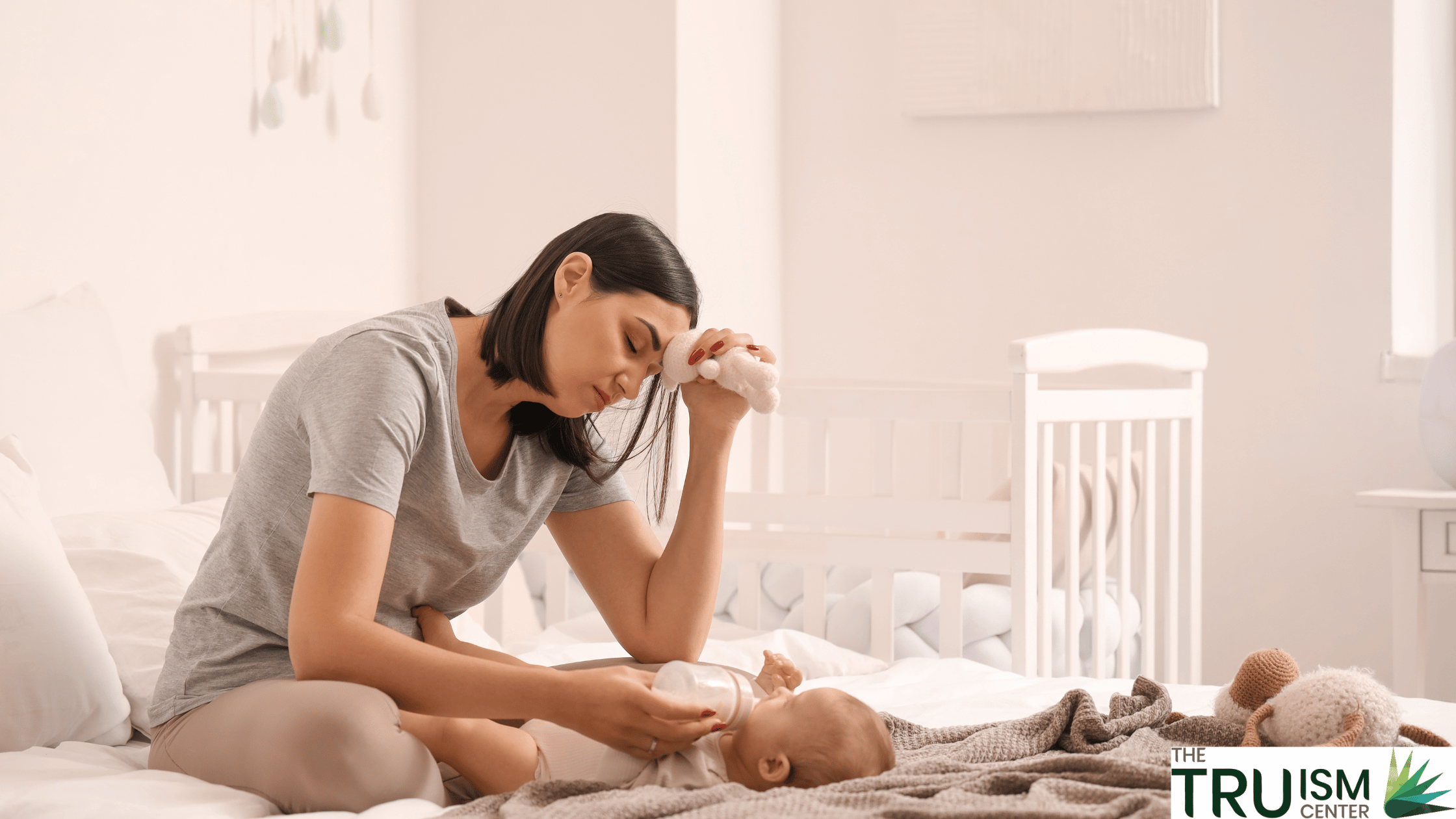
Building a Postpartum Care Support System
Beyond therapy, there are several ways to build a support system during the postpartum period. Consider these resources for additional emotional and practical support:
- Postpartum doulas: Doulas can offer practical help, such as infant care and household assistance, as well as emotional support during the early weeks and months.
- Support groups: Whether online or in person, support groups can be a vital resource for new mothers facing postpartum depression. Hearing from others who have been through similar experiences can be incredibly validating and comforting.
- Family and friends: Don’t be afraid to reach out to those around you. Sometimes, friends and family want to help but don’t know how—be specific about your needs, whether it’s watching the baby for an hour so you can rest or helping with meals.
The Importance of Postpartum Counseling
When you decide to open up your browser and type in “postpartum counseling near me” you can know you’re taking an important step towards your health and the health of your baby. You don’t have to navigate these changes alone, and The Truism Center is here to help. Postpartum counseling helps mothers regain their sense of self, manage the stressors of new motherhood, and create a path toward emotional recovery.
It’s also worth noting that postpartum depression doesn’t only affect mothers. Fathers and partners can also experience depression and anxiety after the birth of a child. If you or your partner are struggling emotionally, seeking therapy together or individually can be an invaluable step in supporting the entire family’s mental health.
Final Thoughts: You Deserve Support
Bringing a new life into the world is a significant transition, and it’s normal to feel a wide range of emotions. However, if your sadness, anxiety, or disconnection lasts beyond the first few weeks postpartum, you may be experiencing more than the baby blues. Postpartum depression is common, treatable, and nothing to be ashamed of. Early intervention through postpartum care and therapy can help you feel more like yourself again and foster a stronger connection with your baby.
If you’re unsure whether what you’re experiencing is part of the normal adjustment to motherhood or something more serious, consider reaching out to a therapist who specializes in therapy for postpartum depression. With the right support, healing is not only possible but likely. You and your baby both deserve a healthy, thriving you.
Robb Kornoelje is a practicing CBT Counselor, Relationship Counselor, owner of the Truism Center, and creator of the “30-Day Relationship Challenge.” This 30-day email course offers guidance to identify behaviors causing trouble, find ease with emotions, and enhance self-awareness. With a focus on stress-free communication, the challenge encourages a stronger connection with others, nurturing compassion, and fostering forgiveness. Join Robb on this journey to improve the fabric of your relationships—one day at a time.


