

When most people hear the term Post-Traumatic Stress Disorder (PTSD), their minds often go straight to images of soldiers returning from combat or survivors of violent crimes. And while PTSD is certainly prevalent in those groups, it’s not the whole story. The truth is, PTSD is far more common than many of us realize, and it can affect people in response to events that might seem much more “ordinary” than we’d expect.
The idea that PTSD only stems from extreme trauma—like war, assaults, or life-threatening events—is a misconception that can prevent people from recognizing the signs in themselves or their loved ones. The reality? PTSD can also develop after experiences like car accidents, sudden break-ups, infidelity (read our blog about Post Infidelity Stress Disorder, or PISD, here), or even medical procedures. By understanding that PTSD is more complex and varied, we can offer better support and treatment to those who may not even realize they’re suffering.
What Is PTSD?
Post-Traumatic Stress Disorder (PTSD) is a mental health condition that can develop after a person experiences or witnesses a traumatic event. Traumatic events are typically defined as those that involve actual or threatened death, serious injury, or sexual violation. However, trauma isn’t always about the severity of the event—it’s also about the individual’s emotional response to it.
Everyone responds to trauma differently. While some people can experience something incredibly shocking and bounce back, others might face long-lasting psychological challenges from an event that seemed, on the surface, less intense. The way trauma imprints on the brain can depend on many factors, including a person’s past experiences, emotional resilience, and the support systems they have in place.
Lesser Known Causes of PTSD
To truly understand how PTSD can affect people, we need to break down some of the myths. Yes, combat veterans and survivors of severe violence are high-risk groups for PTSD, but they’re far from the only ones. Let’s look at some lesser-known causes of PTSD:
1. PTSD from Car Accidents and Injuries
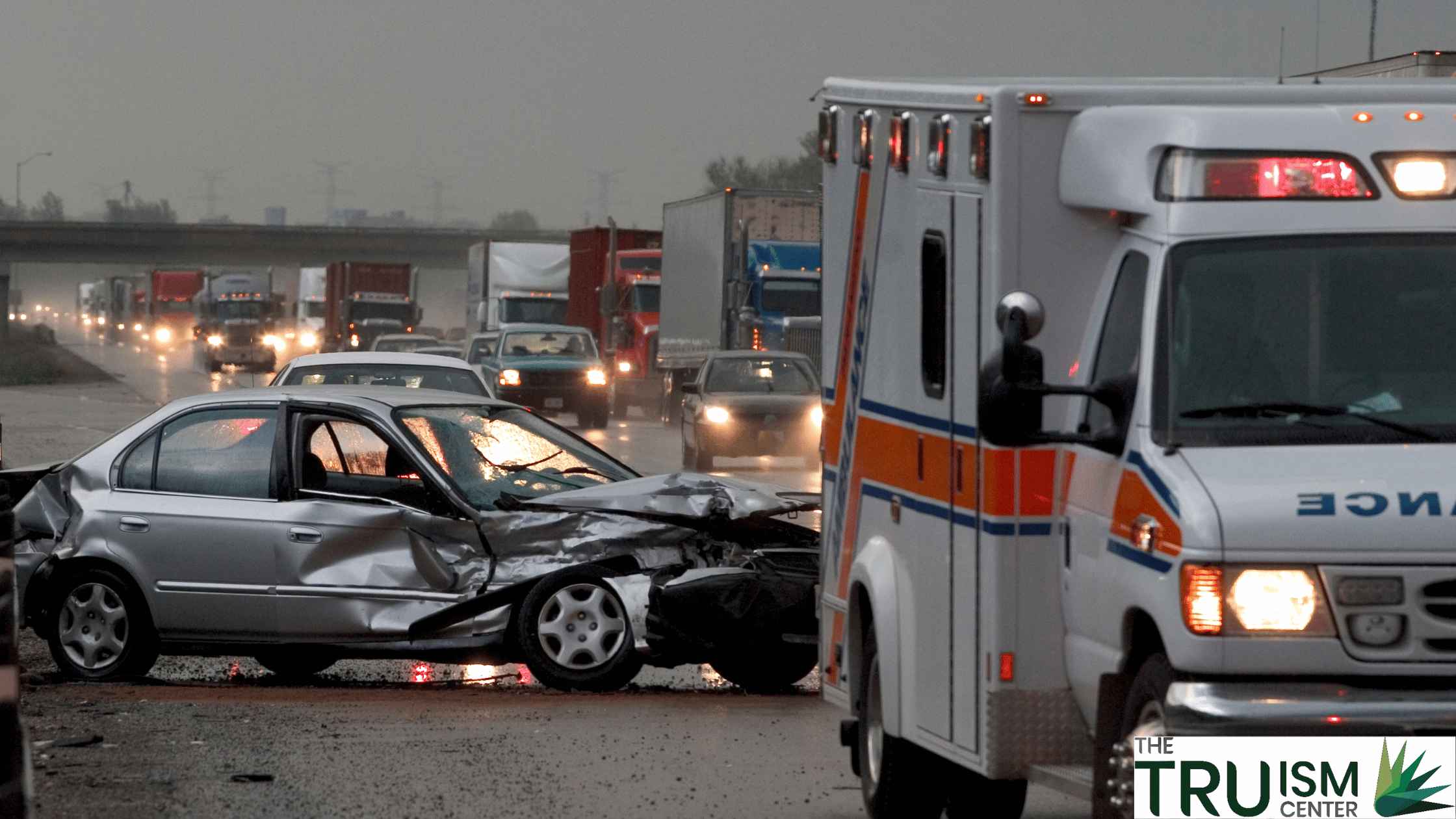
A fender bender might not seem like a big deal to some, but for others, it can trigger intense anxiety, flashbacks, and avoidance behaviors. Car accidents—from major to minor—can shake a person’s sense of safety and control. Those who experience a collision may develop PTSD symptoms like hyper-vigilance, intrusive thoughts, and nightmares. In fact, motor vehicle accidents are a very common cause of PTSD in the general population. Long after the physical injuries have healed, the mental trauma of a car accident often lives on.
2. Break-Ups and Infidelity and PISD
Emotional trauma can be just as impactful as physical trauma. Break-ups, especially those that are unexpected or involve infidelity, can leave deep psychological wounds. Betrayal in a relationship can cause someone to feel vulnerable, unsafe, and mistrusting of others. These feelings can evolve into PTSD, with symptoms like emotional numbness, intrusive memories, and a hyperawareness of potential future betrayals. Read our blog about PISD, or Post Infidelity Stress Disorder, here.
3. Medical Procedures and Health Crises
Surprisingly, medical experiences can also lead to PTSD. Whether it’s undergoing surgery, receiving a scary diagnosis, or witnessing a loved one’s health decline, the emotional toll of medical trauma is often underestimated. For some, these events can result in flashbacks, panic attacks, or avoidance of doctors and hospitals altogether, making it challenging to seek future medical care.
4. PTSD from Workplace Harassment or Bullying
Persistent stress from workplace harassment or bullying can also lead to trauma. The emotional and psychological damage caused by feeling unsafe or persecuted in an environment where you spend so much of your time can deeply affect someone’s well-being. PTSD from workplace trauma may manifest as hypervigilance, irritability, and difficulty concentrating—symptoms that make it even harder to continue working.
5. Secondary Trauma (Witnessing Trauma)
Sometimes, you don’t have to experience trauma directly to feel its effects. Secondary trauma, also known as vicarious trauma, can occur when someone witnesses or learns about a traumatic event that happened to a loved one, colleague, or even a stranger. This is common among first responders, healthcare workers, or people caring for someone who has been through trauma. Witnessing another person’s suffering can deeply affect your emotional and psychological well-being, leading to PTSD symptoms like intrusive thoughts, anxiety, and hypervigilance. Secondary trauma reminds us that empathy, while vital, can also make us vulnerable to emotional distress.

Recognizing the Signs of PTSD
Because PTSD is so commonly associated with “big” traumas, many people may not recognize it in themselves if their experiences don’t fit the stereotype. However, the symptoms of PTSD are the same, regardless of what caused the trauma. These can include:
- Intrusive Thoughts: Repeated, involuntary memories of the traumatic event, flashbacks, or distressing dreams.
- Avoidance: Staying away from reminders of the trauma, whether it’s people, places, or activities that bring back memories of the event.
- Negative Changes in Thinking or Mood: Feelings of hopelessness, distorted beliefs about oneself or others, and difficulty experiencing positive emotions.
- Changes in Physical and Emotional Reactions: Being easily startled, feeling on edge, experiencing sleep problems, or having outbursts of anger.
These symptoms may develop soon after the traumatic event or may not surface until months or even years later. PTSD symptoms can also vary in intensity over time. For instance, stress from daily life, another unrelated trauma, or specific anniversaries of the event can trigger an increase in symptoms.
PTSD in Everyday Life: It’s Not Always Obvious
One of the most challenging aspects of PTSD is that it can sometimes be hard to spot, especially in cases where the trauma doesn’t align with typical “war-zone” narratives. Someone struggling with PTSD might appear fine on the surface, going about their daily routines. But underneath they could be reliving the trauma over and over again, or avoiding things that could potentially trigger them.
For instance, a person who survived a car accident might avoid driving altogether, or experience intense anxiety when riding in a car. Someone who experienced a painful break-up may start withdrawing from relationships, fearing emotional intimacy. These behaviors can often be mistaken for personal quirks or mood changes when, in fact, they are signs of something much deeper.
Coping with PTSD: It’s Never “Too Small” to Seek Help
One of the most important things to remember is that there is no trauma “too small” to cause PTSD. Whether it’s a devastating life event or a seemingly minor incident, if you’re experiencing symptoms of PTSD, you deserve to seek support.
Therapy is one of the most effective treatments for PTSD. Cognitive Behavioral Therapy (CBT), for example, helps individuals reframe negative thought patterns and manage their symptoms. For some, Eye Movement Desensitization and Reprocessing (EMDR) therapy (read more about EMDR here) has been shown to reduce PTSD symptoms by helping the brain process traumatic memories. Other treatments might include group therapy, medication, or mindfulness-based approaches.
At The Truism Center, we see individuals from all walks of life who are dealing with the aftermath of various traumas. Whether it’s a past relationship, a medical scare, or an event from childhood, we believe every person’s experience is valid, and we are here to help guide you through the healing process. With offices in Grand Rapids, Grandville, Troy, Birmingham, and Commerce Township, and a Virtual Office accessible anywhere in Michigan, we are ready to support you in your journey. Reach out now to schedule a free consultation.
Natural Ways to Manage PTSD Symptoms
Along with professional therapy, there are also natural ways to help manage PTSD symptoms. While these strategies may not “cure” PTSD, they can help improve day-to-day well-being:
- Exercise: Regular physical activity helps release endorphins and reduces stress.
- Mindfulness and Meditation: Practicing mindfulness can help individuals focus on the present moment, which may reduce flashbacks and anxiety.
- Support Groups: Talking to others who have experienced similar trauma can provide comfort and validation.
- Healthy Sleep Habits: Developing a bedtime routine and creating a restful environment can help address insomnia, a common symptom of PTSD.
Commonly Asked Questions About PTSD
What Causes PTSD?
PTSD is caused by experiencing or witnessing a traumatic event. This could range from something intensely life-threatening, like a natural disaster or assault, to more everyday experiences like a car accident or emotional betrayal. Trauma affects everyone differently, meaning that what causes PTSD in one person might not have the same impact on another. Factors like the severity of the trauma, personal history, emotional resilience, and available support systems can all influence whether someone develops PTSD.
Can PTSD Be Cured?
PTSD is a manageable condition, but it’s important to note that it doesn’t always go away completely. For many people, PTSD can be treated to the point where symptoms are no longer disruptive to daily life, and they may even disappear altogether. However, triggers or stressful life events may bring some symptoms back. With the right treatment—like therapy, lifestyle changes, and sometimes medication—many people with PTSD go on to live fulfilling, healthy lives. The key is to address the symptoms early and to create a personalized plan for ongoing care.
How Does PTSD Affect Relationships?
PTSD can deeply impact relationships, both with family members and romantic partners. Those with PTSD may struggle with trust, emotional intimacy, or communication. They may withdraw, experience mood swings, or feel disconnected from their loved ones, which can create feelings of isolation. Partners or family members might feel confused or hurt by this distance, not realizing it’s part of the trauma response. However, with proper support, open communication, and sometimes couples or family therapy, relationships can recover and even grow stronger.
Is PTSD Treatable Without Medication?
Yes, PTSD can be effectively treated without medication. Many individuals find relief through therapeutic approaches such as Cognitive Behavioral Therapy (CBT), Eye Movement Desensitization and Reprocessing (EMDR), or other trauma-focused therapies. These therapies help individuals process the traumatic event and develop coping strategies for managing symptoms. While medication can be helpful for some in managing symptoms like anxiety or depression, it’s not always necessary. Many people find significant improvement through therapy alone, coupled with lifestyle changes like mindfulness and self-care practices.
How Long Does PTSD Last?
The duration of PTSD varies greatly from person to person. Some individuals may experience symptoms for a few months, especially with early intervention, while others may deal with it for years. In some cases, PTSD can become chronic if left untreated. The intensity of symptoms can also fluctuate over time, often triggered by reminders of the trauma or stressful life events. However, with consistent treatment and support, the symptoms of PTSD can become more manageable, and many people find long-term relief. The goal is to reduce the impact of PTSD on daily life, helping individuals regain a sense of normalcy and control.
Healing From PTSD Is Possible
PTSD is not a life sentence, nor is it something to be ashamed of. Whether you’ve experienced a life-threatening trauma or something that “just” left an emotional scar, it’s important to understand that your experience is real and valid. Healing from PTSD is a journey, but with the right support—whether through therapy, self-care strategies, or community—there is hope.
If you or a loved one are struggling with PTSD, reach out. We’re here at The Truism Center to listen, support, and help you find the path to recovery. By challenging the misconception that PTSD only stems from major events, we open the door to more compassionate conversations. No trauma is too small to matter, and no one should feel they have to suffer in silence.
Robb Kornoelje is the owner of The Truism Center, a CBT focused counselor, a relationship enthusiast, and the creator of the “30-Day Relationship Challenge.” This 30-day, fully online email course offers gentle guidance to identify behaviors causing trouble, find ease with emotions, and enhance self-awareness. With a focus on stress-free communication, the challenge encourages a stronger connection with others, nurturing compassion, and fostering forgiveness. Join Robb on this journey to improve the fabric of your relationships—one day at a time.


